Maya Shah Ceccotti · Los Angeles
Building a product has never been easier. Building something people believe in has never been harder.
For most of history, starting a company required capital, specialized expertise, and years of execution.
Today, one person with AI can research a market, design a product, write software, create a brand, launch a website, automate operations, and reach customers in weeks.

Building companies is becoming abundant. Belief isn’t.
The organizations that matter over the next decade won’t be the ones that build the most. They’ll be the ones people believe in.
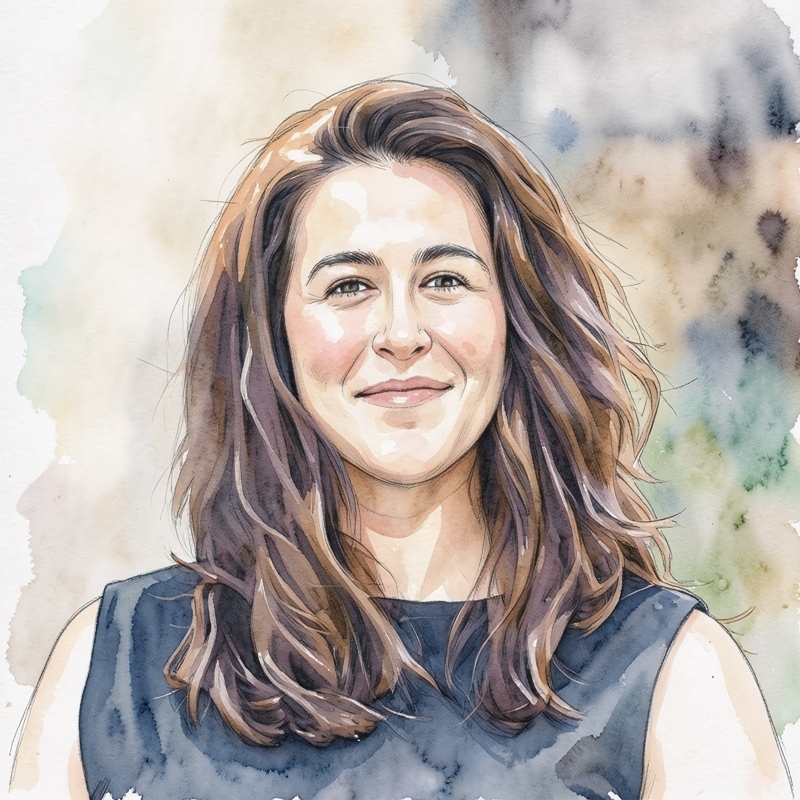
Hi, I’m Maya. I help founders and leadership teams build organizations people believe in.
Why do some organizations consistently earn belief while others slowly lose it—even when they have strong products?
Fifteen years alongside the founders building technology companies.
Over the last fifteen years, I have worked alongside founders and leadership teams as they built and scaled technology companies from early-stage startups to market-defining platforms.
My deepest operating experience is in vertical B2B software, particularly companies serving technical, operational, and expertise-driven industries.
Across different companies and stages, the same question kept returning.
That question has followed me through product marketing, go-to-market strategy, category creation, executive leadership, customer experience, sales, community, storytelling, and organizational execution.
Today, it shapes the work I do with founders and leadership teams building what comes next.
Companies I’ve worked alongside
Whether you are launching a one-person company or leading a thousand-person organization, the root questions are the same.
- What do we stand for?
- Who are we serving?
- Why us?
- Why now?
- What should people expect from us?
- Why should anyone believe in what we are building?
These are not simply marketing questions.
They are identity questions.
The answers shape what you build, how you explain it, the customers you attract, the decisions you make, and the organization you eventually become.
Every company brings two things to market: its product, and itself.
Customers don’t just evaluate what a product does. They learn what to expect from the organization behind it. Every interaction becomes another piece of evidence.
Over time, customers, employees and the market form an answer to a question they rarely ask out loud:
Who are these people?
That answer is your company identity.
It is not your logo, visual system, or a collection of brand attributes.
It is what your organization consistently believes, values, prioritizes, rewards, and reinforces through its decisions and behavior.
At early stage, that identity often lives almost entirely inside the founder. At scale, it must become something others can understand, represent and strengthen without the founder being present in every decision.
Marketing communicates identity. The organization creates it.

Organizations become what people consistently experience.

Trust isn’t built through a campaign or a tagline. Customers don’t decide what your company stands for by reading your mission statement.
They infer it from your product, sales conversations, customer support, pricing, hiring… and from the promises you keep—and the ones you don’t.
Over time, these signals accumulate into a simple belief:
“I know what kind of company this is.”
This is where trust comes from.
After fifteen years working alongside founders and leadership teams, I’ve noticed the same progression again and again. The problems I encounter are rarely caused by missing marketing tactics. More often, the organization itself isn’t creating the belief it hopes to earn.
It almost always unfolds in the same order.
- № 01
Identity
Everything begins with a simple question:
Who are we?
What do we believe? Who are we serving? Why do we exist? Why now? What makes us meaningfully different?
- № 02
Expression
Identity only matters if other people can recognize it.
It has to become visible through your positioning, narrative, product story, messaging, website, and every way your organization introduces itself to the world.
- № 03
Experience
Then reality takes over.
Every interaction either confirms what you’ve claimed—or quietly contradicts it. Whether managed or not, your organization teaches people who it is through its behavior.
- № 04
Trust
Eventually, consistency becomes confidence. Customers, employees, and partners stop evaluating every interaction independently. They begin believing they know what to expect.
This is trust.
- № 05
Growth
Growth isn’t where this progression begins, or even the goal of the model. It’s the consequence.
Organizations that are easier to understand become easier to choose. Organizations that consistently deliver on what they promise become easier to recommend. Over time, trust compounds into durable growth.
Every challenge I work on eventually traces back to one of these stages.
Sometimes the conversation begins before a company has launched:
- What do we actually stand for?
- Who is this really for?
- Is our differentiation meaningful or merely descriptive?
- Why does this company need to exist now?
- How do we earn trust before we have scale, history, or broad recognition?
Sometimes it begins later:
- Why does our positioning make sense on paper but break down in the sales cycle?
- Why are customers experiencing something different from what we intended?
- Why do different teams describe the company differently?
- How do we scale without losing what made people trust us in the first place?
These conversations may start with positioning, messaging, growth, or customer experience.
They usually end in the same place: the organization itself.
Ideas I keep returning to.
- № 01
Trust is becoming the next competitive advantage.
Why technology is changing where companies compete.
- № 02
Customers experience organizations—not departments.
Why every interaction shapes what the market learns to expect from your company.
- № 03
Why founders eventually have to scale their judgment.
What changes when organizations begin making decisions without the founder in every room.
Let’s start a conversation.
I am interested in conversations with founders, executives, investors, and operators building vertical software companies.
Whether you are hiring an executive, looking for an advisor, or working through a strategic challenge, let’s connect.

